Capacity Market
What is the Capacity Market?
The Capacity Market (CM) in the UK, overseen by National Grid ESO, plays a crucial role in the country's energy policy. It is designed to ensure a stable and reliable electricity supply during periods of high demand, particularly as the energy system shifts towards greener sources like wind and solar. By providing a framework to secure sufficient electricity generation capacity, the CM helps meet peak demand and prevents blackouts, especially during the winter months when energy consumption is at its highest.
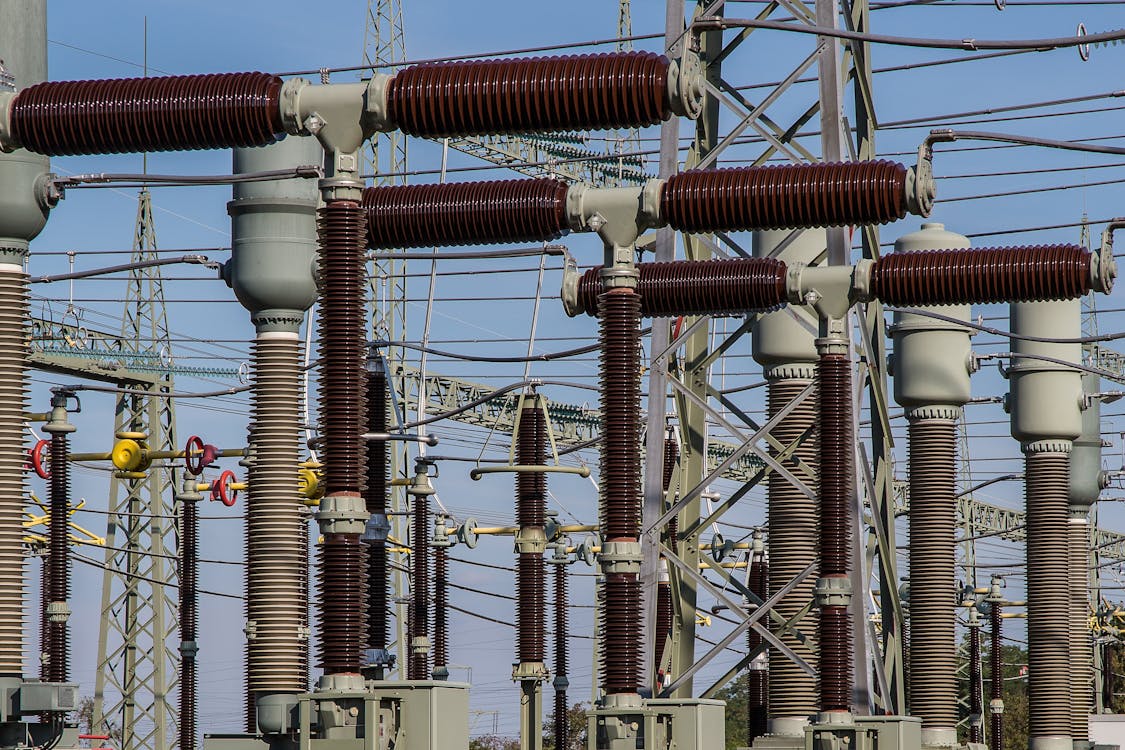 Capacity Market: What is it and Why is it Important to Your Business?
How Does the UK Capacity Market Work?
The Capacity Market operates by paying energy producers and other providers to ensure they have the capacity available to generate or supply electricity when needed. It is a government-run system overseen by National Grid ESO (Electricity System Operator), which conducts capacity auctions to secure commitments from power generators, demand-side response (DSR) providers, and other participants for future delivery periods, typically one to four years ahead.
Participants bid in auctions to provide electricity capacity. The main auction occurs four years in advance (T-4 auction), and a "top-up" auction is held closer to the delivery date (T-1 auction) to address any shortfalls.
Businesses of any size can participate by reducing their energy usage during peak times, which is known as Demand-Side Response (DSR). The minimum size of DSR capacity is 1MW; however, smaller businesses can be aggregated to make up 1MW and participate.
Why is the Capacity Market Important to Your Business?
The UK's Capacity Market plays a crucial role in ensuring the reliability of electricity supply, and its impact extends beyond energy providers to businesses across various sectors. By engaging with the Capacity Market, your business can actively contribute to energy grid stability, support the integration of renewable energy, and even generate financial rewards.
Participating in DSR offers several advantages:
- Financial Rewards: Based on the T-4 clearing price for the 2026/27 auction, businesses can earn up to £50,000 per MW per year by participating in the Capacity Market.
- Contribute to the Net-Zero Transition: As the UK transitions to a low-carbon economy, businesses have a vital role to play in supporting renewable energy integration. The Capacity Market is instrumental in managing the fluctuating output from renewable sources like wind and solar, which are inherently intermittent.
- Maintain Grid Stability: For businesses, this system ensures that the energy grid has enough capacity to meet demand, even during unexpected events or extreme weather conditions. By being part of this system, you can have greater confidence in the resilience of the grid and your own energy supply.
How Batteries Help Your Business Participate in the Capacity Market
The Capacity Market requires businesses to reduce their energy usage during peak times. Battery Energy Storage Systems (BESS) offer the flexibility to store energy when demand is low and release it during peak times, helping reduce your business's energy consumption during high-demand periods. This flexibility can minimize the disruption of DSR to your business operations. Additionally, BESS can export excess electricity to the grid, further supporting grid stability and maximizing your revenue from Capacity Market payments.